


Rose Gold vs Gold: What’s the Difference?

5min read
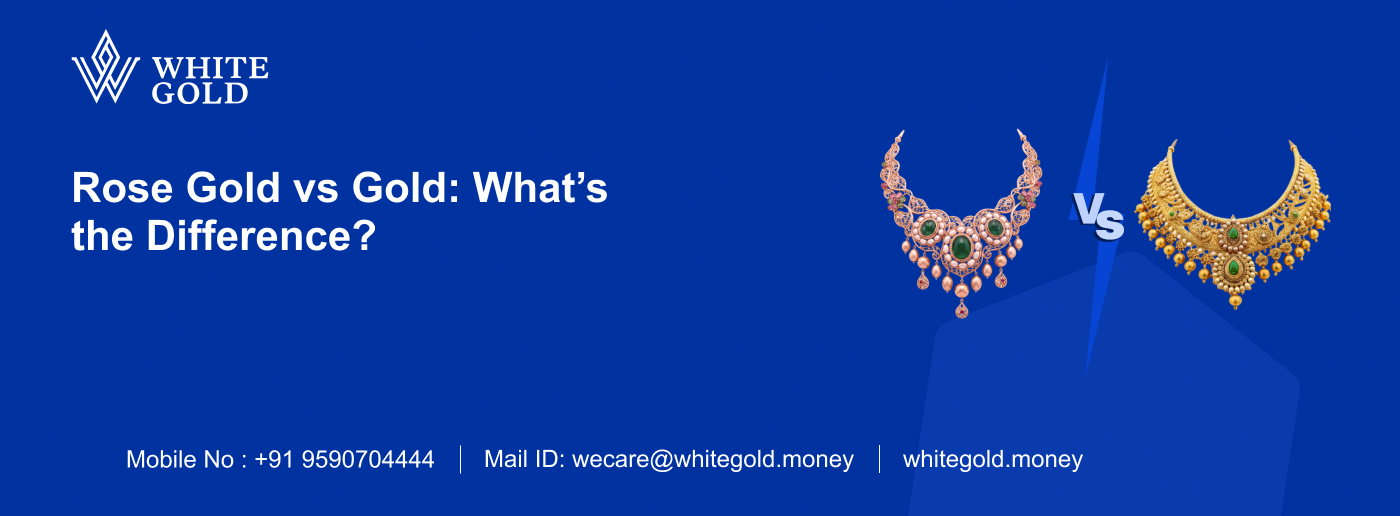
A few years ago, rose gold felt like a passing trend. Now it’s everywhere.
From engagement rings and watches to minimalist daily-wear jewellery, rose gold has quietly become one of the most popular alternatives to traditional yellow gold – especially among younger buyers looking for something softer and more modern.
But at the same time, a lot of people still ask questions like:
- Is rose gold real gold?
- Why is it pink?
- Is it more expensive?
- Does it last as long as normal gold?
And honestly, the confusion makes sense because both metals look very different even though they are connected in composition. If you are searching for the rose gold and gold difference, this guide explains everything simply.
What is Gold?
When people say “gold jewellery,” they usually imagine the classic yellow colour seen in traditional Indian jewellery.
But pure gold by itself is actually very soft. That means 24K pure gold bends and scratches easily, which makes it less practical for everyday jewellery.
So jewellers usually mix pure gold with other metals like silver, copper, zinc, or nickel to improve durability, shape retention, and strength.
This is why most jewellery is sold as 18K, 22K, or 14K gold instead of completely pure 24K gold. The higher the karat value, the higher the actual gold content.
What is Rose Gold?
Rose gold is also real gold. The difference is in the metal mixture. Rose gold is created by mixing gold, and copper alloy.
The copper is what gives rose gold its pink or reddish tone. The more copper added, the deeper the rosy shade becomes. That warm pink appearance is one reason rose gold became extremely popular in:
- engagement rings,
- fashion jewellery,
- luxury watches,
- and minimalist jewellery collections.
A lot of younger buyers prefer rose gold because it feels softer, more modern, and less traditional compared to yellow gold.
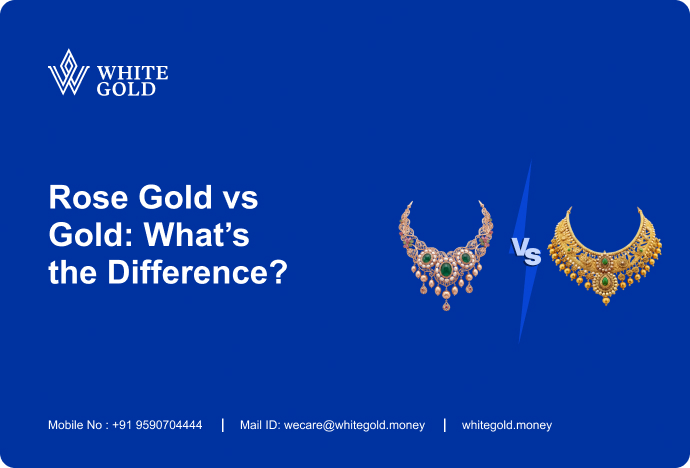
This is where the conversation around gold and rose gold difference usually begins – the colour may look very different, but both still contain actual gold.
Rose Gold vs Gold: Key Differences
Here is the easiest way to compare them side by side.
| Feature | Gold (Yellow Gold) | Rose Gold |
| Color | Yellow | Pink/Reddish |
| Metal Mix | Gold + silver/copper | Gold + copper |
| Durability | High | Slightly higher |
| Popular Use | Traditional jewellery | Modern fashion jewellery |
| Skin Tone Match | Universal | Warm skin tones |
| Overall Style | Classic | Romantic & trendy |
The biggest visual difference is obviously the colour. But durability and maintenance also differ slightly because of the copper content in rose gold.
Why Rose Gold Became So Popular Recently
Jewellery trends have shifted a lot over the last few years. Many buyers now prefer jewellery that feels:
- lighter,
- more wearable daily,
- and less overly traditional.
Rose gold fits perfectly into that trend. Social media and celebrity fashion also played a huge role. Minimalist rose gold jewellery became extremely popular through:
- engagement ring trends,
- influencer styling,
- and luxury fashion branding.
That’s why younger buyers today often compare rose gold with yellow gold before making a purchase decision.
Is Rose Gold More Expensive Than Gold?
This is probably the most searched question. And the answer is simple: Usually, no. Rose gold is generally not more expensive than yellow gold.
The price mainly depends on:
- gold purity,
- total weight,
- design complexity,
- and making charges.
For example:
- 18K rose gold and 18K yellow gold usually contain similar amounts of actual gold.
The copper used in rose gold is cheaper than gold itself, so in some cases rose gold jewellery may even be slightly cheaper.
So if you are wondering is rose gold expensive than gold, the colour alone does not automatically increase the price. Purity matters more than colour.
Which is More Durable?
Rose gold is often considered slightly stronger. Why? Because copper makes the alloy harder. Higher purity yellow gold tends to remain softer, especially in 22K, or 24K forms.
This means rose gold jewellery may resist scratches slightly better and hold intricate designs more firmly over time. This is one reason rose gold is very popular for engagement rings, bracelets, and daily-wear pieces.
But durability also depends heavily on craftsmanship, jewellery thickness, and overall design quality.
Which Looks Better: Rose Gold or Gold?
This part is completely personal. There is no “better looking” option universally. Yellow Gold Usually Feels:
- classic,
- rich,
- traditional,
- and timeless.
It remains extremely popular in Indian bridal jewellery and cultural jewellery collections. Rose Gold Usually Feels:
- modern,
- softer,
- romantic,
- and fashion-forward.
Many people also feel rose gold pairs beautifully with diamonds, pastel outfits, and minimalist styling.
So when people ask what is the difference between rose gold and gold, the real answer often comes down to aesthetic preference more than technical superiority.
Is Rose Gold Real Gold?
Yes.
This is important because many buyers think rose gold is artificial jewellery. It isn’t. Rose gold still contains real gold – the colour simply changes because of the copper alloy added during manufacturing.
The karat value still determines actual gold content. But Does Rose Gold Fade Over Time?
Real rose gold does not suddenly lose colour like cheap plating. Because the pink tone comes from the alloy mixture itself.
However, over time scratches, skin oils, and regular wear may slightly change the surface appearance. Polishing and cleaning usually restore shine easily.
Final Thoughts
Choosing between yellow gold and rose gold is less about which one is “better” and more about what fits your personality, style, and usage.
Yellow gold continues to represent tradition and timeless jewellery culture. Rose gold brings a softer, more contemporary look that many modern buyers love today. And regardless of colour, understanding purity, valuation, and gold quality matters far more than trends alone.If you are exploring gold value or transparent gold selling services, White Gold offers customer focused support designed to make gold related decisions simpler and more understandable.
Related Blogs





8 years Of
Turning Your Gold Into Money

100+ branches in Karnataka, Andhra Pradesh, Kerala, and Telangana
- A high gold rate can be a trap. Make sure you are not cheated on the Gold Purity Check.
- We only use industry-standard spectrometer machines.
- We do not tamper with our machines. Get the same gold purity result in any White Gold branch.
- We have well-trained and educated staff. We are not a single-branch company.
- We have 100+ standardised branches across South India.
- We are transparent about our Gold Rate. You can check our live gold rate here.
- In any city, you will get the same Gold Rate in all our branches.